
Feedback
AI Ad Video Example
Loading...
MiniMax H3 prompt
Build a better MiniMax H3 prompt with timed shots, camera moves and audio cues — then render 2K clips with native stereo sound in one pass.
All Tools
Discover our comprehensive AI-powered animation toolkit
MiniMax H3
MiniMax H3 AI Video Generator
Seedance 2.5
The Future of AI Video Is Here.
Seedance 2.0
The Future of AI Video Is Here.
Kling 3.0
Next-Gen AI Video Generator
Grok Video Generator
Create Videos from Text or Images with AI
MiniMax H3 video generator
MiniMax H3 AI Video Generator
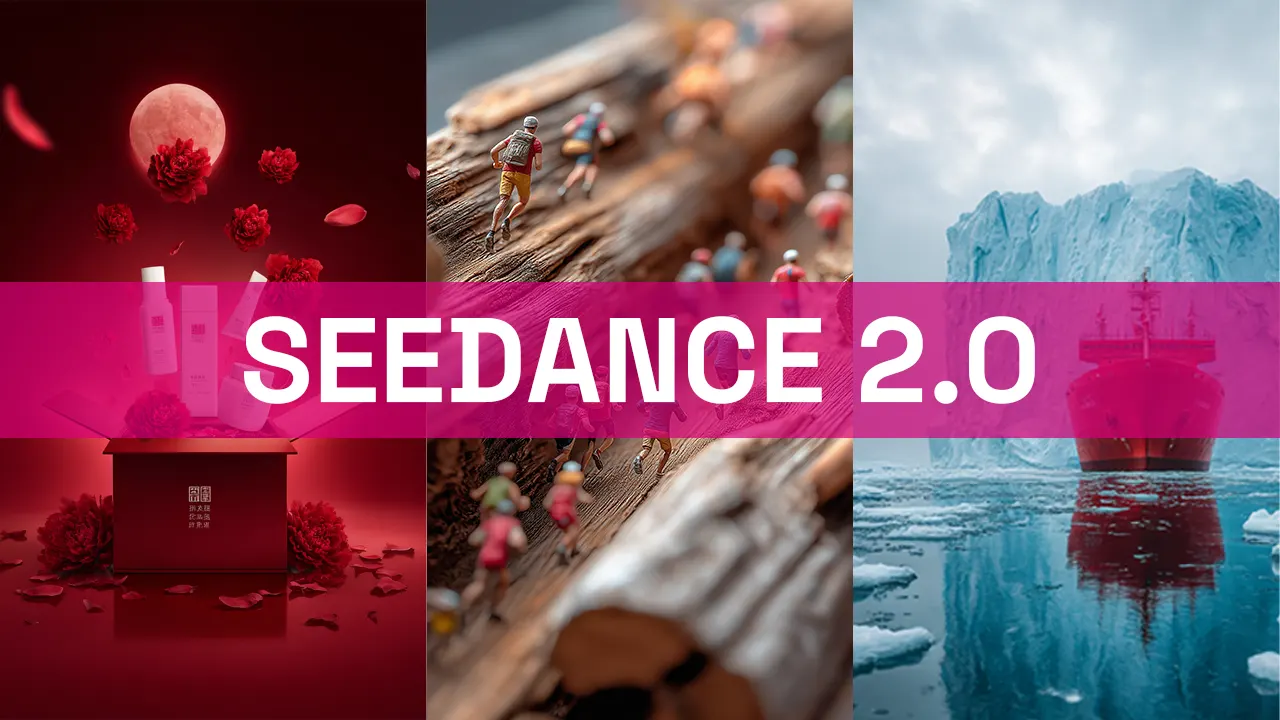
Seedance 2.0
The Future of AI Video Is Here.

3D Science Video
Create 3D science videos easily
What Sets an Effective MiniMax H3 Prompt Apart
This guide walks you through writing prompts for MiniMax H3, an open-weight multimodal video model that produces 5-15 second, 2K, 24fps clips with native stereo audio. Each MiniMax H3 prompt accepts up to 7,000 characters, so you can label reference assets, time every beat, direct camera and sound, and hold character identity across scenes in a single submission.
- Give Every Reference a JobThe single habit that improves results fastest: name what each uploaded image, clip, or audio file contributes — mood, talent, product, style, or voice — before anything else in your MiniMax H3 prompt.
- Beats Pinned to a TimelineSplit a multi-beat scene into [0-2s], [2-4s] segments inside a single MiniMax H3 prompt, so pacing reads as narrative rhythm instead of a slideshow.
- Sound Designed, Not Left to ChanceSpecify music structure, effects, and voice cloning with the same care you give visuals — sub-bass, hi-hats, foley, and dialogue timing all belong in the MiniMax H3 prompt.
How to Build a MiniMax H3 Prompt That Works
Four moves take you from a rough idea to a polished MiniMax H3 prompt for 2K video with synchronized audio.
Techniques That Sharpen a MiniMax H3 Prompt
Six proven practices for stronger results — excluding what you don't want, holding identity, pairing edits with constraints, speaking in camera language, treating cuts as physical events, and using the full character budget of your MiniMax H3 prompt.
Say What You Don't Want
Exclusions matter as much as instructions — 'no soft dissolves', 'no garbled text', 'no jump scares' — and stating them plainly keeps the render on track.
Keep Characters and Products Steady
Name the details that define your subject — hair, wardrobe, props, typography — inside the MiniMax H3 prompt, and they carry through every cut.
Pair Every Change with a Constraint
When editing, state what changes alongside what must remain untouched in your MiniMax H3 prompt, so you get a targeted fix rather than a full re-render.
Speak the Language of Cameras
Shot size, lens behavior, exposure, and film texture — handheld shake, rack focus, wide-angle distortion, grain — all translate directly when written into the MiniMax H3 prompt.
Describe Cuts as Physical Motion
Whip pans, motion blur, optical smear, exposure flicker: describing the motion itself outperforms naming an effect in a MiniMax H3 prompt.
Room for a Complete Shot Plan
With 7,000 characters available, a full MiniMax H3 prompt can hold the scene, every timed shot, the audio plan, and all constraints at once.
MiniMax H3 Prompt: Common Questions
Answers to the questions people ask most when writing prompts for the MiniMax H3 video model.
What exactly is the MiniMax H3 prompt guide?
It's a collection of writing practices for MiniMax's open-weight multimodal video model — covering how to label references, time your beats, direct audio, exclude unwanted elements, hold identity, and use cinematic language to reach 2K output with native stereo audio.
How long can one prompt be?
7,000 characters is the ceiling — space enough for a full shot list, timed beats, camera directions, an audio plan, and constraints inside a single MiniMax H3 prompt.
What's the best way to use several reference files?
Give each file a defined purpose in your MiniMax H3 prompt — 'Image 1 for mood, Image 2 for talent, Audio 1 for voice'. Each request supports up to 9 images, 3 video clips, and 3 audio files.
Do I need to spell out the audio?
Absolutely. Treat sound as its own scene: outline music structure, instrument timing, foley, and dialogue in the MiniMax H3 prompt so the generated audio lines up with your edit.
How can I keep a character looking the same throughout?
List the traits that define them — hair, wardrobe, props, scene details — in your MiniMax H3 prompt, then repeat those anchors across every timed beat and cut.
What tends to weaken a prompt?
Loose pacing and unstated dislikes. Replace slideshow-style sequences with timed blocks, and add negative directions so unwanted elements stay out of your MiniMax H3 prompt results.
Put the MiniMax H3 Prompt Guide to Work
Turn your next idea into 2K footage with native stereo audio. Label your references, time every shot, direct the camera and sound, and let your MiniMax H3 prompt do the rest.